
Understanding the psychological triggers in gambling behavior
The Allure of Risk and Reward
Gambling inherently attracts individuals due to its promise of immediate rewards. This appeal is deeply rooted in the psychological principle of risk and reward, where players are drawn to the thrill of potentially winning large sums of money. The adrenaline rush experienced during gambling sessions can heighten emotional responses, making players more inclined to pursue risky bets. This immediate gratification often overshadows the long-term consequences of gambling behavior. Interestingly, those who enjoy engaging in gambling activities might also have an interest in online casinos that enhance their experience.
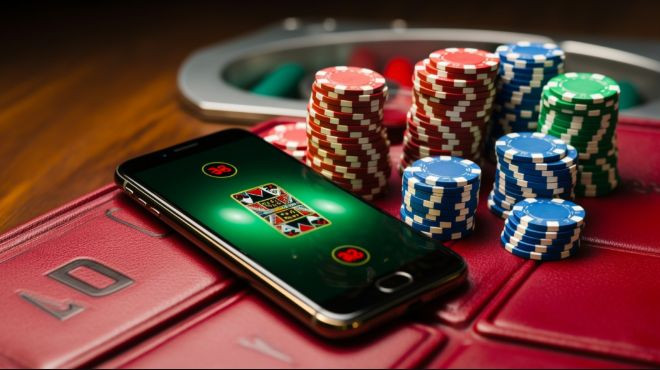
Moreover, the anticipation of a win triggers the brain’s reward system, releasing dopamine, a neurotransmitter associated with pleasure and motivation. This biochemical reaction can lead to repeated gambling behaviors, as individuals seek to replicate the euphoric feelings associated with winning. Understanding this connection between risk, reward, and psychological satisfaction is crucial for recognizing the patterns in gambling behavior.
The Role of Cognitive Biases
Cognitive biases significantly influence gambling behavior, often leading individuals to make irrational decisions. Common biases include the illusion of control, where players believe they can influence outcomes in games of chance. This misconception can encourage continued gambling, as players feel empowered despite the odds stacked against them.
Additionally, gamblers frequently fall victim to the gambler’s fallacy, the belief that past outcomes can affect future ones. For instance, a player may think that after a series of losses, a win is due. These cognitive distortions reinforce gambling behavior and can lead to increased financial risk, as players continue to chase losses in hopes of a turnaround.
The Impact of Social Influences
Social dynamics play a significant role in gambling behavior. Peer pressure and societal attitudes can either encourage or discourage gambling activities. In environments where gambling is normalized, individuals may feel compelled to participate, often viewing it as a social activity rather than a risky behavior. This social acceptance can lead to increased gambling frequency and intensity.
Furthermore, online gambling communities and social media platforms have transformed the landscape, making gambling more accessible and socially visible. The influence of peers and shared experiences can amplify the thrill of gambling, making it an even more enticing prospect for many individuals. Understanding these social influences is vital for addressing problematic gambling behavior.
The Psychological Effects of Winning and Losing
The psychological impact of winning and losing in gambling can be profound. Winning reinforces the behavior, leading individuals to associate gambling with positive emotions, such as joy and excitement. This creates a cycle where winners are more likely to gamble again, believing they can replicate their success.
Conversely, losing can lead to feelings of frustration and despair, which may prompt individuals to chase their losses. This reaction is often driven by the desire to regain a sense of control and restore their previous emotional state. Recognizing these psychological effects is critical for understanding the complexities of gambling behavior and developing effective interventions for those at risk.

About Our Website
Our website is dedicated to providing resources and support for understanding gambling behavior and its psychological underpinnings. We aim to educate individuals about the various factors that influence gambling decisions, promoting informed choices and responsible gambling practices.
We prioritize user experience and safety, ensuring that our platform offers valuable insights without compromising security. Through awareness and education, we hope to help individuals navigate the complex world of gambling, fostering healthier attitudes and behaviors towards this popular pastime.