
Imagine you could launch a fresh‑out‑of‑the‑box AAA title on a cheap laptop that would normally need a $2,000 graphics card. Cloud gaming makes that possible by running the game on a remote server and streaming the video to your device, much like Netflix streams movies. The heavy lifting—rendering, physics, AI—happens in data centres, while the user’s screen receives a compressed video feed that reacts to controller inputs in real time.
Why the UK market is taking off
According to the UK Digital Economy report, 18 % of households subscribed to a cloud gaming service in 2023, up from 7 % the year before. The jump coincides with two concrete factors: the rollout of fibre‑to‑the‑premises reaching 95 % of homes, and the 2022 price cut of the average broadband package to £29 per month. Faster, cheaper internet removes the latency barrier that once made streaming games feel sluggish.
Cost comparison with traditional consoles
Buying a PlayStation 5 at launch cost £479, plus an average of £60 per game. A year‑long subscription to a leading cloud platform is £12.99 per month, which totals £155.88. Add a modest £10 per month for a high‑speed broadband upgrade and the annual outlay sits at roughly £276, a saving of nearly £200 compared with the console route. For families that rotate titles, the subscription model also avoids the “shelf‑dust” problem of physical discs.
Impact on game development and distribution
Developers now target a single streaming build rather than multiple console binaries. This reduces testing time; a studio reported cutting its QA phase from six weeks to three when they switched to a cloud‑first pipeline. Distribution also shifts: instead of shipping discs to retailers, updates roll out instantly from the server farm, meaning a patch that fixes a bug in London appears in Manchester the same second.
Accessibility and device diversity
A teenager with a refurbished Chromebook can now play “Elden Ring” at 1080p, a feat that would have required a high‑end gaming PC a few years ago. Schools have begun piloting cloud gaming in computer labs, letting pupils explore game design without costly hardware. Even older smart TVs, once limited to streaming video, now support cloud gaming apps, turning the living‑room sofa into a multiplayer arena.
Potential pitfalls
The model isn’t flawless. Data caps still bite; a three‑hour session of a graphically intense game can consume up to 15 GB of data. Users on limited plans may see throttling after the cap is reached, turning a smooth 60 fps experience into a choppy 30 fps mess. Additionally, server outages—though rare—can leave players staring at a loading screen with no way to continue.
From cloud to casino: a side note
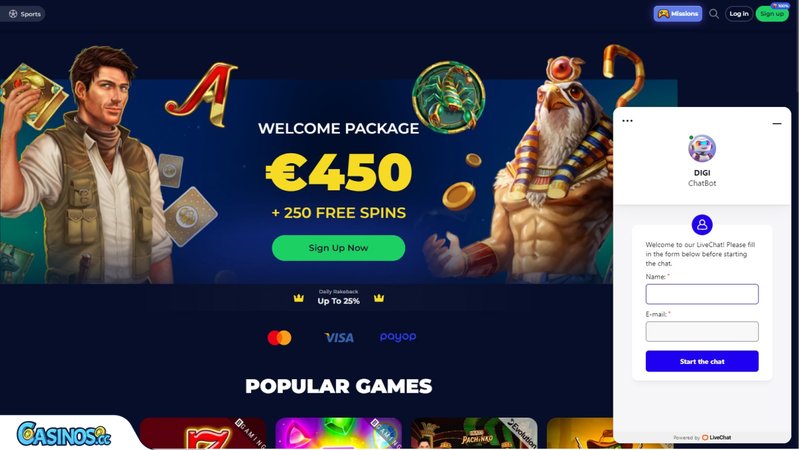
While the same streaming technology underpins many modern entertainment services, it also powers the latest wave of online betting platforms. For example, the site ninewin uses cloud infrastructure to deliver instant access to its games without the need for downloads.
If you’re keen to try this seamless experience, check out ninewin for instant play.
Future outlook
Looking ahead, 5G rollout promises sub‑10‑millisecond latency, which could make cloud gaming indistinguishable from native play. Major studios have already announced exclusive titles that will never see a physical disc, betting on the streaming future. If the current trajectory holds, the average British gamer might spend more time in a virtual lounge than in front of a traditional console by 2030.
Conclusion
Cloud gaming has turned a niche curiosity into a mainstream pastime in just a handful of years. By slashing hardware costs, simplifying distribution, and widening device compatibility, it reshapes how Britons consume interactive entertainment. The challenges—data limits and occasional outages—remain, but they feel more like growing pains than deal‑breakers. As connectivity improves, the line between playing at home and playing anywhere will blur, and the cloud will only get bigger.
Frequently Asked Questions
What is cloud gaming?
Cloud gaming streams video from a remote server, letting you play high‑end games on low‑spec devices.
How does it work?
The game runs on powerful servers; the video is compressed and sent to your device, while input is sent back instantly.
Why is it popular in the UK?
UK players value affordable access to AAA titles and improved broadband speeds that support low‑latency streaming.